Best Stable Diffusion Prompts
The best Stable Diffusion prompts pair a comma-separated descriptor stack with a targeted negative prompt and the exact settings that produced the result — checkpoint, sampler, step count, and CFG scale — because identical words behave very differently across configurations. Stable Diffusion is the open-source workhorse of AI image generation: you can run it locally, fine-tune it, and steer it with more precision than any closed model, and its negative prompt quietly removes artifacts like extra fingers, watermarks, and blur that other models make you live with. Every prompt in this hub lists the checkpoint or version (SDXL, SD 1.5) plus the full recipe we used to generate its example image. Copy the recipe first — settings included — reproduce our result, and then start swapping subjects and styles once you can see what each part of the prompt contributes.
Prompts in this collection

Whale and Starry Ocean Dream
Stable Diffusion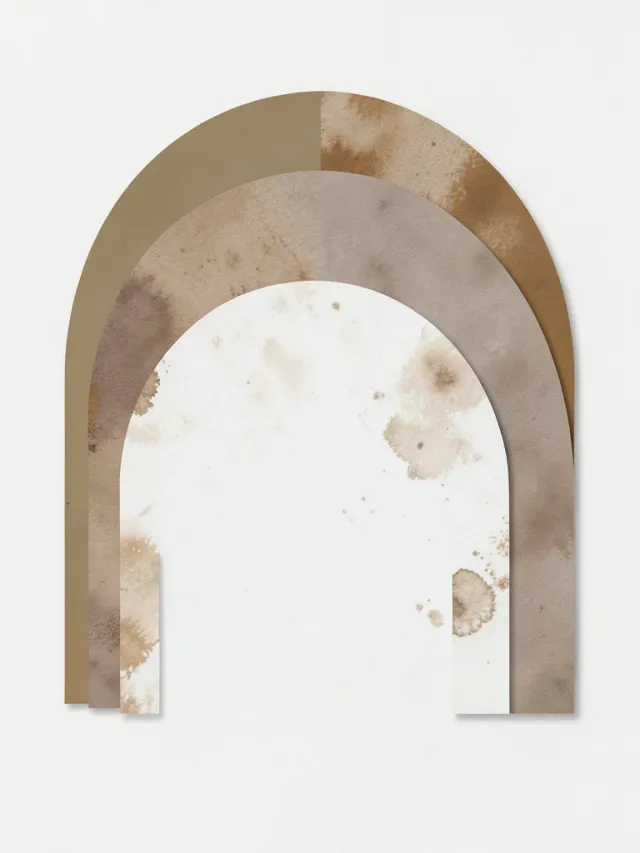
Abstract Textured Arch Print
Stable Diffusion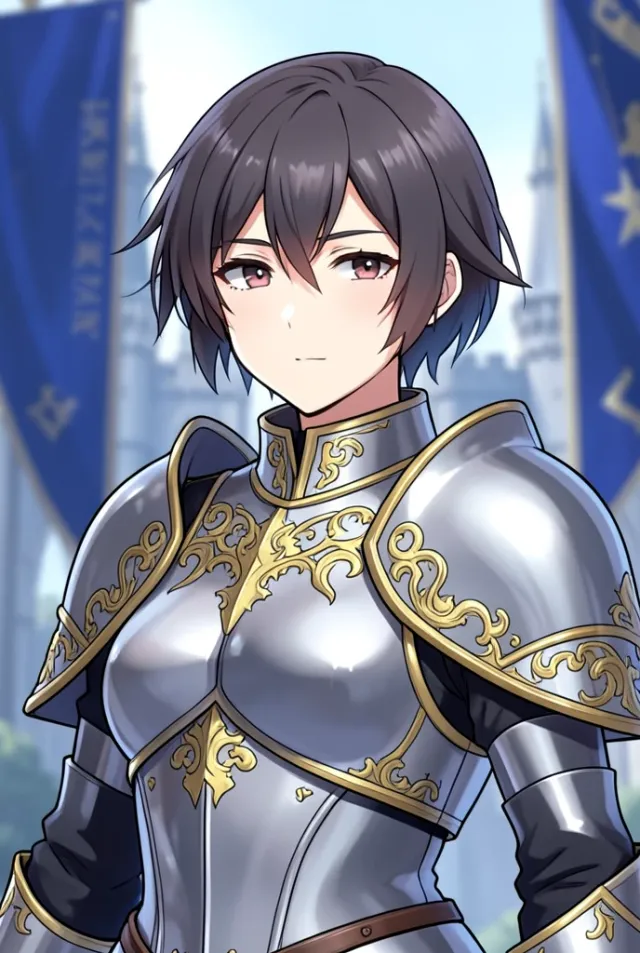
Anime Female Knight Portrait
Stable Diffusion
Magical Anime Library Interior
Stable Diffusion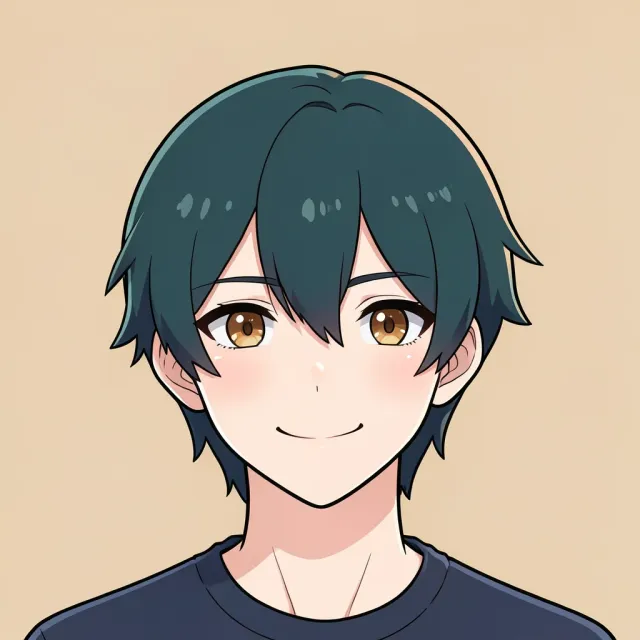
Anime Profile Avatar Portrait
Stable Diffusion
Circuit Tree Tech Logo Mark
Stable Diffusion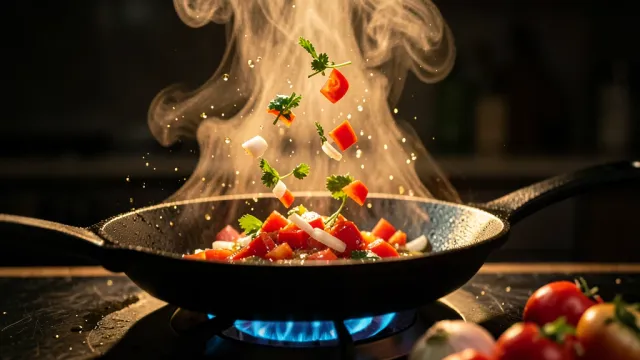
Sizzling Pan Cooking Thumbnail
Stable Diffusion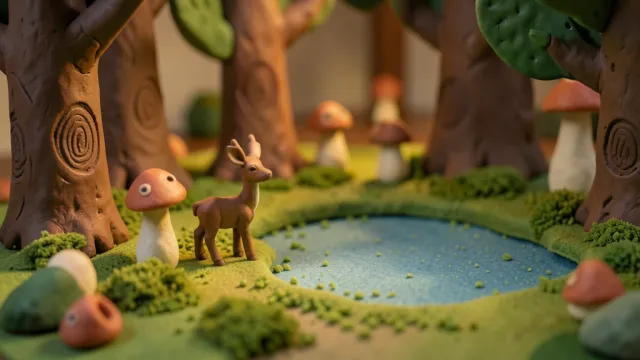
Claymation Forest Clearing Scene
Stable Diffusion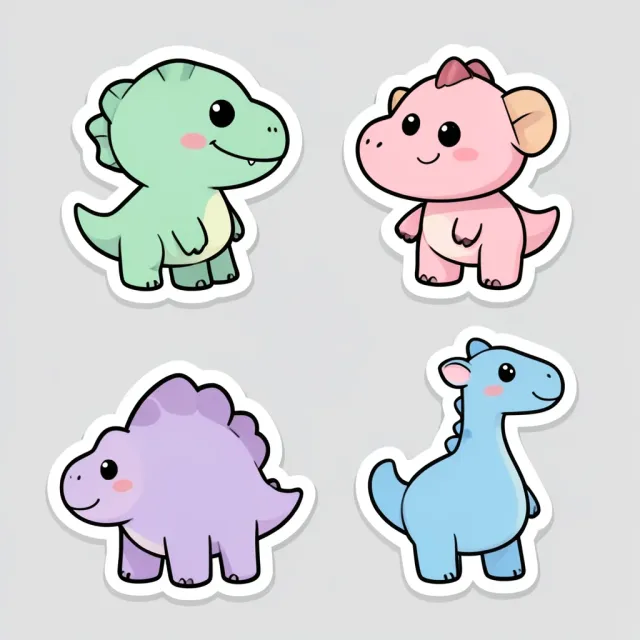
Cute Pastel Dinosaur Sticker Sheet
Stable Diffusion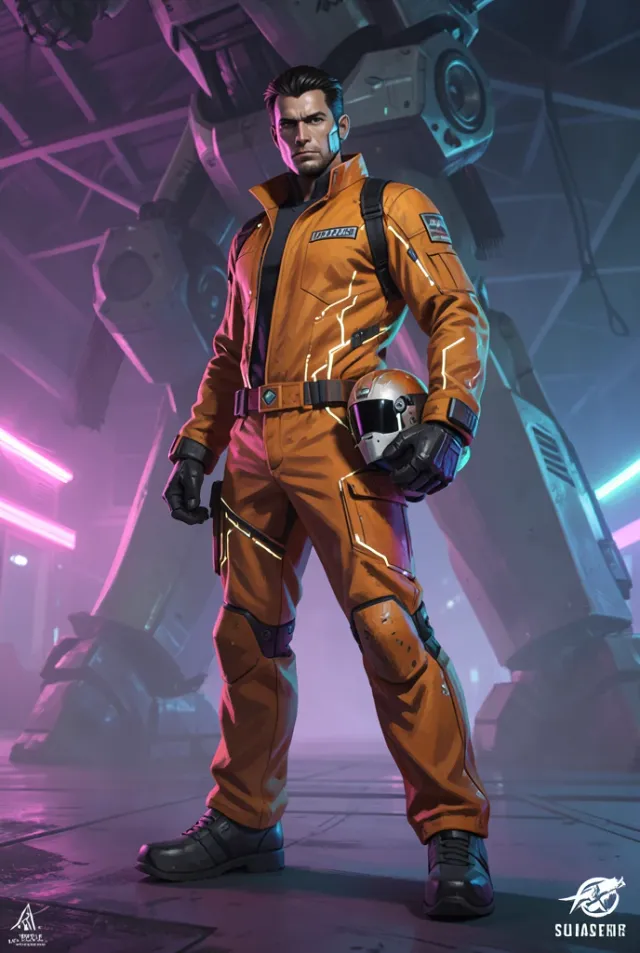
Cyberpunk Mech Pilot Portrait
Stable Diffusion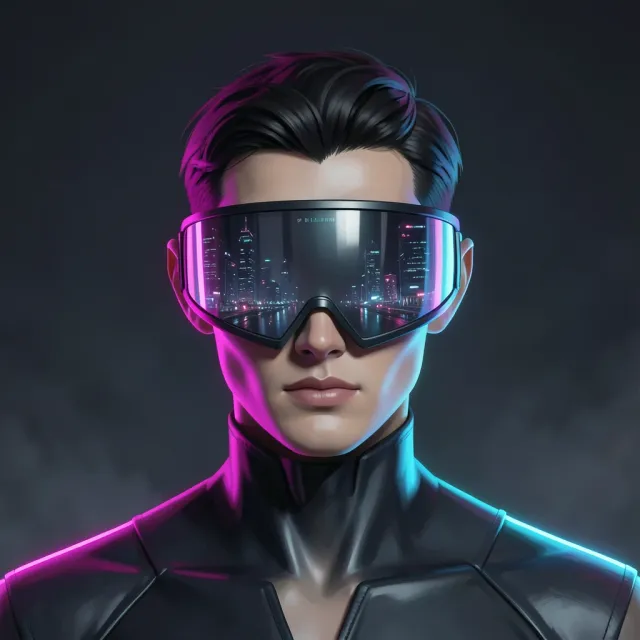
Cyberpunk Neon Visor Avatar
Stable DiffusionFrequently asked questions
- How do you write a good Stable Diffusion prompt?
- A good Stable Diffusion prompt is a comma-separated descriptor stack — subject, style, lighting, quality keywords — paired with a targeted negative prompt that names the artifacts you want removed, like extra fingers or watermarks. Settings are half the recipe: identical words behave differently across checkpoints, samplers, step counts, and CFG values, so copy a full tested recipe first, reproduce the result, then start swapping subjects.
- What does CFG scale do in Stable Diffusion?
- CFG scale controls how strongly Stable Diffusion enforces your prompt — both positive and negative — at every denoising step. Around 7 is the working zone for most SDXL checkpoints: low values near 3 let the model improvise and make negatives barely register, while values past 11 enforce so hard that images turn crunchy and oversaturated. If your negatives seem to do nothing, check CFG before adding more words.
- Is SDXL better than Midjourney?
- For control, yes; for out-of-the-box polish, no. SDXL runs locally for free and supports true negative prompts, fixed seeds, and community checkpoints, which makes it the better tool for repeatable pipelines, anime styles, and anything that needs fine-grained steering. Midjourney produces more art-directed results from shorter prompts with no setup. Pick SDXL for precision and volume, Midjourney for fast, striking one-offs.